

Dylan Phillips Photography
Blog
They say a picture is worth a thousand words. So what about a picture AND a thousand words?
My blog posts detail some of my favourite outdoor adventures with historical anecdotes, photography tips and tricks and the stories behind the photos.
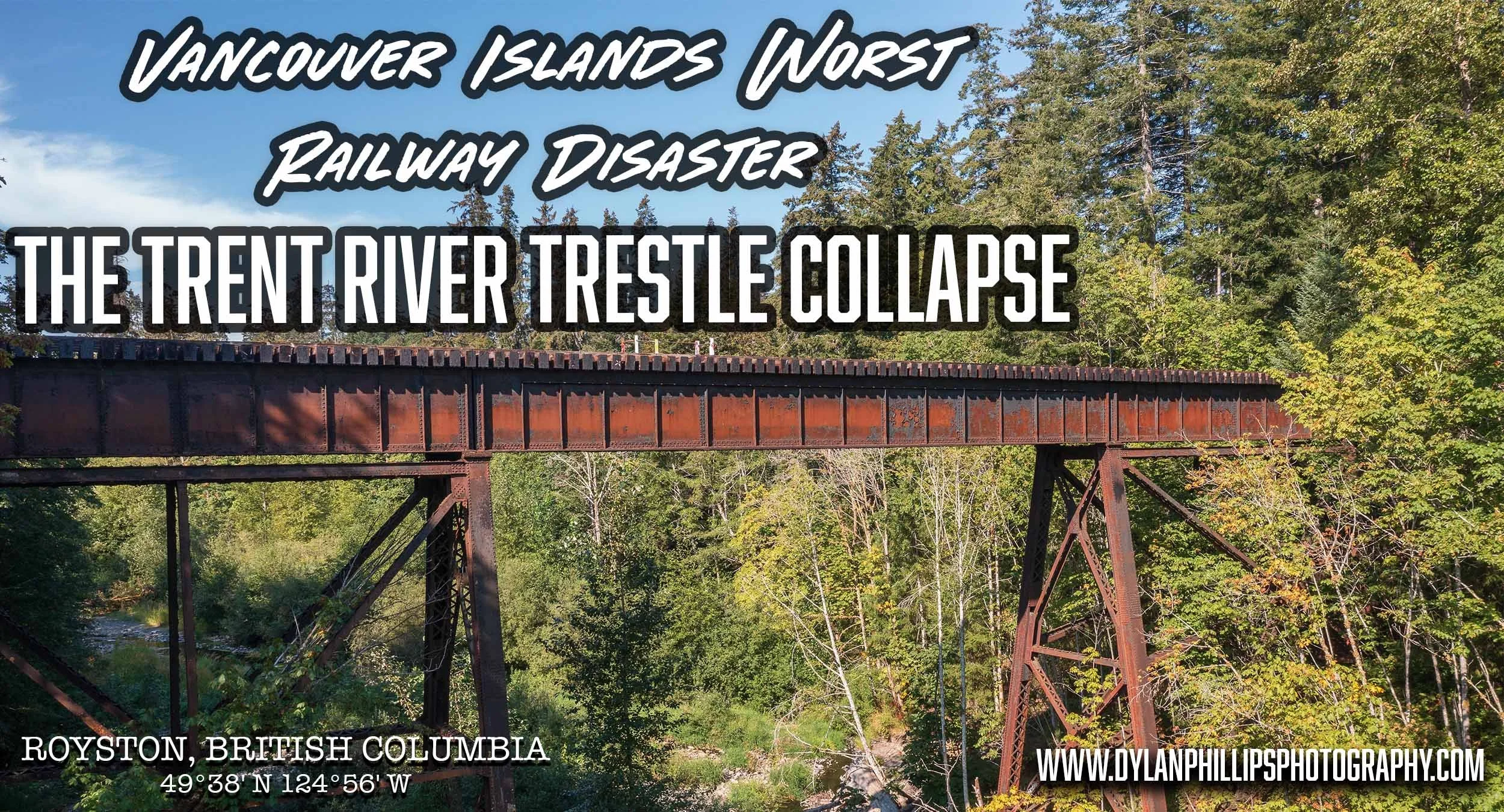
The Trent River Trestle Collapse
“In 1898 the Trent River Trestle near Royston collapsed under a coal‑laden train, plunging cars into the canyon and killing six . Join Vancouver Island photographer Dylan Phillips as he traces the forgotten route of the E&N Railway, hikes to the modern trestle high above the riverbed , and searches for remnants of this tragic history. This blend of local history and adventure invites you to see the island’s past through a new lens.”
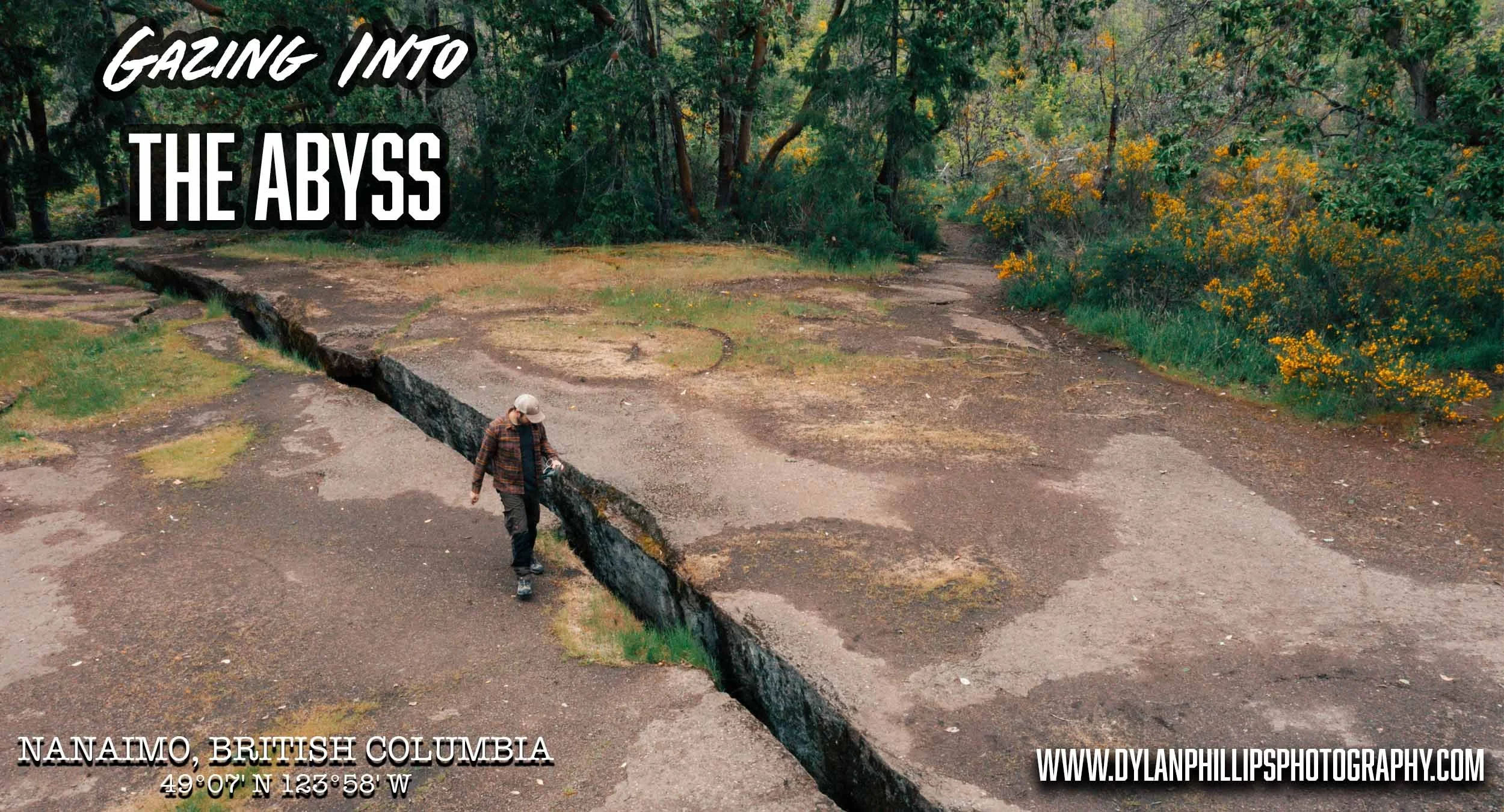
Hiking The Abyss Trail in Nanaimo, BC
“Long surrounded by rumour and local legend, The Abyss in Nanaimo remains one of Vancouver Island’s most mysterious natural features. Join photographer Dylan Phillips as he hikes back to the site, explores its atmosphere and origins, and captures the scale of this strange crack in the earth.”
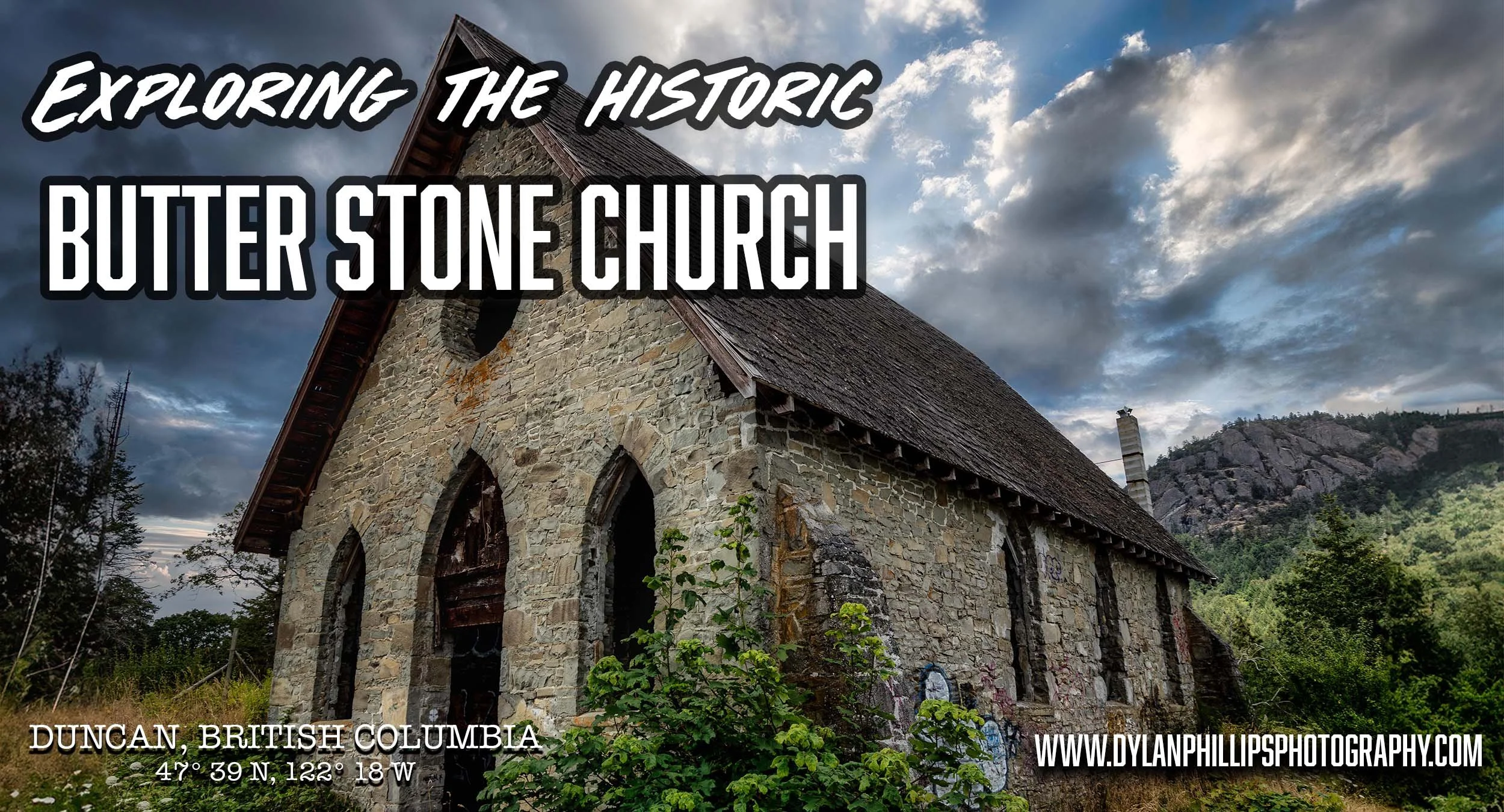
Exploring the Historic Butter Stone Church
“Tucked away in the Cowichan Valley, the Butter Stone Church has been standing quietly since 1870. In this post, Vancouver Island photographer Dylan Phillips explores the history, atmosphere, and quiet beauty of this abandoned stone church, reflecting on why places like this still matter and how they continue to shape the way we see and photograph the island.”